
Introduction
Surgery is sometimes necessary to treat conditions that cannot be adequately managed with medication or other non-surgical approaches. Advances in surgical techniques have made it possible to treat many conditions through smaller incisions, potentially reducing postoperative discomfort and supporting recovery in suitable patients. One such approach is laparoscopic surgery, commonly known as keyhole surgery.
If you are searching for the best laparoscopic surgeon in LB Nagar, understanding the procedure, its benefits, potential risks, and recovery requirements can help you make an informed decision.
Advaya Hospitals in LB Nagar, Hyderabad, offers laparoscopic and general surgery services for conditions including gallstones, hernias, appendicitis, and selected gastrointestinal problems. The hospital lists Dr. D. Shravani Reddy among its general surgery specialists, with MBBS, MS in General Surgery, and FISCP qualifications.
advayahospitals.in
+1
What Is Laparoscopic Surgery?
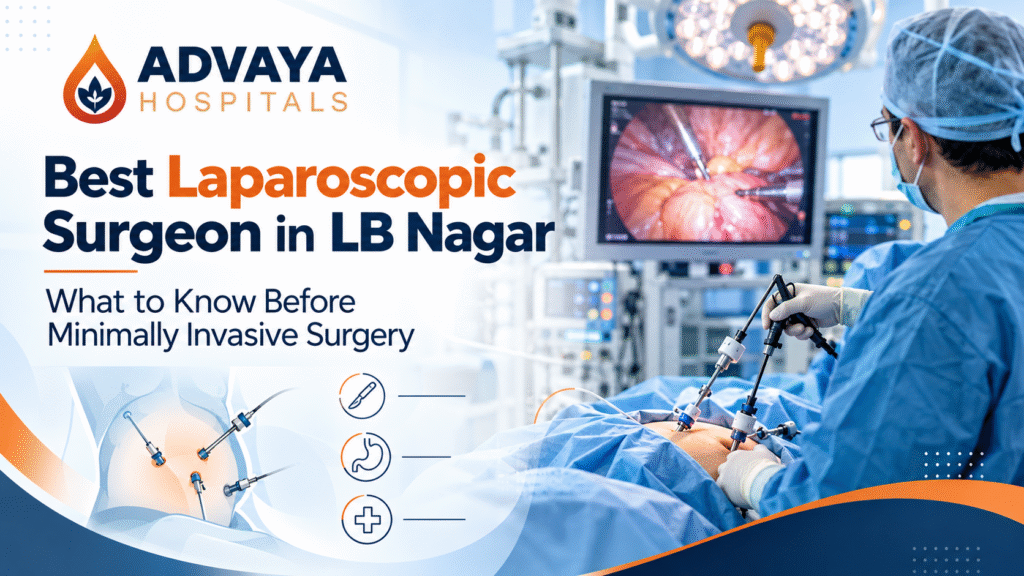
Laparoscopic surgery is a minimally invasive surgical technique in which a surgeon uses a small camera and specialised instruments inserted through small incisions. The camera provides images of the surgical area on a monitor, allowing the surgeon to perform the required procedure.
Unlike many traditional open surgeries that require a larger incision, laparoscopic procedures use smaller openings when clinically appropriate.
People looking for minimally invasive surgery in LB Nagar may be suitable candidates for this approach depending on their diagnosis, medical history, and the procedure required.
Common procedures performed using laparoscopic techniques include:
- Gallbladder removal for symptomatic gallstones
- Hernia repair
- Appendectomy for appendicitis
- Selected gastrointestinal surgeries
- Certain colorectal procedures
- Some gynaecological procedures, when appropriate
Not every operation can be performed laparoscopically. The surgeon will recommend the safest and most appropriate approach for each patient.
Common Conditions Treated by a Laparoscopic Surgeon
1. Gallstones and Gallbladder Problems
Gallstones are hardened deposits that form in the gallbladder. Although some people have no symptoms, others may experience pain in the upper right abdomen, nausea, vomiting, or discomfort after meals.
When gallstones cause repeated symptoms or complications, a doctor may recommend surgery.
Gallbladder surgery in LB Nagar may involve laparoscopic cholecystectomy, a procedure that removes the gallbladder through small incisions.
The decision to operate depends on symptoms, investigation results, and the patient’s overall health. Severe abdominal pain accompanied by fever, persistent vomiting, or yellowing of the eyes or skin requires prompt medical evaluation.
2. Hernia and Abdominal Wall Problems
A hernia occurs when tissue pushes through a weak area in the surrounding muscle or connective tissue. Common types include inguinal, umbilical, and incisional hernias.
Symptoms may include a visible bulge, discomfort while lifting objects, or pain during coughing and physical activity.
A hernia surgeon in LB Nagar can evaluate the hernia and discuss whether observation or surgical repair is appropriate.
Laparoscopic hernia repair may be suitable for selected patients. The decision depends on the hernia type, size, previous operations, medical history, and surgeon’s assessment.
A hernia that suddenly becomes very painful, firm, discoloured, or cannot be pushed back—especially with vomiting or abdominal swelling—may represent an emergency and requires immediate medical attention.
3. Appendicitis
Appendicitis is inflammation of the appendix and can cause abdominal pain, nausea, vomiting, fever, and loss of appetite. Pain often begins near the navel and may move toward the lower right side of the abdomen.
When appendicitis is suspected, prompt medical assessment is important because complications can develop if treatment is delayed.
Laparoscopic appendectomy in LB Nagar involves removing the appendix using small incisions and specialised instruments when the laparoscopic approach is suitable.
The treatment plan depends on the severity of the condition and the patient’s clinical findings.
4. Gastrointestinal Conditions
Certain conditions affecting the digestive system may require surgical treatment, particularly when medication or conservative management is insufficient.
Depending on the diagnosis, a general or laparoscopic surgeon may assess conditions involving the intestines, abdominal wall, or other gastrointestinal structures.
Patients searching for general and laparoscopic surgery in LB Nagar should discuss their symptoms, investigation results, and available treatment options with a qualified surgeon.
5. Selected Gynaecological Conditions
Some gynaecological conditions, including certain ovarian cysts, fibroids, and other pelvic problems, may require surgery. Laparoscopic techniques may be appropriate for selected patients, depending on the condition and the treating gynaecologist’s assessment.
For women considering laparoscopic surgery in LB Nagar, the appropriate specialist and surgical approach depend on the diagnosis and the procedure required.
What Are the Benefits of Minimally Invasive Surgery?
Laparoscopic surgery offers several potential advantages over open surgery in suitable cases. However, the actual benefits vary depending on the operation, the patient’s health, and the surgeon’s assessment.
Smaller Incisions
Laparoscopic procedures generally use smaller incisions than traditional open surgery. This may result in smaller visible scars after healing.
Potentially Less Postoperative Discomfort
Because the incisions are usually smaller, some patients may experience less postoperative pain than with comparable open procedures. Pain levels still vary and appropriate pain management may be required.
Shorter Hospital Stay in Selected Cases
Some laparoscopic procedures allow patients to leave the hospital sooner than comparable open operations. The length of stay depends on the procedure, recovery progress, and any complications.
Earlier Return to Daily Activities
Patients may be able to resume routine activities sooner after certain laparoscopic procedures. However, lifting restrictions, exercise limitations, and return-to-work timelines depend on the surgery performed.
Reduced Incision Size
Smaller incisions may reduce wound-related problems in some circumstances, although infection, bleeding, and other complications remain possible.
Important: Minimally invasive surgery is not automatically the best option for every patient. In some situations, open surgery may offer a safer or more effective approach.
What Should You Know Before Laparoscopic Surgery?
Preparing for surgery involves understanding the procedure, reviewing your medical history, and following the instructions provided by your surgical team.
1. Understand Your Diagnosis
Before proceeding, ask your surgeon to explain the condition being treated, why surgery is recommended, and whether non-surgical alternatives are available.
Understanding the purpose of the operation can help you make an informed decision.
2. Discuss the Surgical Approach
Ask whether laparoscopic surgery is appropriate for your condition and what benefits and limitations it may have compared with open surgery.
Your surgeon should explain the possibility that the procedure may need to be converted to open surgery if unexpected findings or safety concerns arise.
3. Share Your Medical History
Inform the surgeon about existing health conditions, previous surgeries, allergies, and all medicines or supplements you take. Blood-thinning medication and certain chronic conditions may affect surgical planning.
Do not stop prescribed medication unless instructed by your treating clinician.
4. Follow Preoperative Instructions
Your surgical team may provide instructions about fasting, medication adjustments, investigations, and when to arrive at the hospital.
Following these instructions helps the team prepare for the procedure and anaesthesia.
5. Plan for Recovery
Arrange transport home if required and consider assistance with daily tasks during the initial recovery period. Ask how long you should avoid driving, strenuous activity, heavy lifting, or returning to work.
What Happens During Laparoscopic Surgery?
The exact process varies according to the procedure, but laparoscopic surgery commonly follows several stages.
Preoperative assessment: The medical team reviews your health history, examination findings, test results, and anaesthesia requirements.
Anaesthesia: Many laparoscopic operations are performed under general anaesthesia. The appropriate method depends on the procedure and the patient’s circumstances.
Small incisions: The surgeon makes small openings through which the camera and surgical instruments are introduced. The abdomen may be gently inflated with gas for visibility and working space during many abdominal procedures.
Surgical treatment: The surgeon views the operating area on a monitor and performs the required operation using specialised instruments.
Closure and monitoring: The instruments are removed, the incisions are closed, and the patient is monitored during recovery from anaesthesia.
The duration of surgery varies according to its complexity, the patient’s condition, and any unexpected findings.
Recovery After Minimally Invasive Surgery
Recovery depends on the type of operation, the patient’s general health, and whether complications occur.
First Few Days
Some patients experience mild pain around the incisions, tiredness, bloating, or temporary discomfort. Follow the prescribed pain-management plan and the instructions given by your surgical team.
Wound Care
Keep the incision areas clean and follow the hospital’s instructions about bathing, dressings, and wound care. Contact your healthcare provider if you notice increasing redness, swelling, discharge, or worsening pain.
Activity and Movement
Gentle movement and walking may be encouraged when medically appropriate. Avoid heavy lifting and strenuous activity until your surgeon confirms it is safe.
Diet and Hydration
Dietary instructions depend on the operation performed. Follow your surgeon’s guidance about when to resume normal meals and whether any temporary dietary changes are needed.
Follow-Up Appointments
Attend follow-up visits so the surgeon can review wound healing, discuss pathology or investigation results when relevant, and advise when you can resume your usual activities.
Seek urgent medical attention for severe or worsening abdominal pain, persistent vomiting, fever with worsening symptoms, difficulty breathing, chest pain, or other serious warning signs.
How to Choose the Best Laparoscopic Surgeon in LB Nagar
Choosing a surgeon is an important part of preparing for an operation. Consider the following factors when comparing your options.
Qualifications and Surgical Training
Look for a qualified surgeon with recognised training in general surgery and experience relevant to your required procedure.
Experience With the Specific Procedure
Surgical needs differ. Ask about the surgeon’s experience with the operation being considered and the approaches available for your condition.
Clear Explanation of Benefits and Risks
A good consultation should cover the expected benefits, potential complications, alternatives, recovery requirements, and any additional treatment that may be needed.
Hospital Facilities and Anaesthesia Support
Surgery requires appropriate operating facilities, anaesthesia support, infection-control procedures, and postoperative monitoring. Confirm that the hospital can support the procedure and the patient’s medical needs.
Follow-Up and Recovery Support
Ask about wound review, postoperative appointments, pain management, and whom to contact if symptoms develop after discharge.
Patients searching for the best laparoscopic surgeon in LB Nagar should consider these factors rather than relying on a single ranking or advertisement.
Why Consider Advaya Hospitals for Laparoscopic Surgery?
Advaya Hospitals in LB Nagar, Hyderabad, lists a dedicated Laparoscopic and General Surgery department offering surgical evaluation and treatment for conditions including gallstones, hernias, appendicitis, and selected gastrointestinal problems. The hospital describes its approach as combining minimally invasive techniques with preoperative planning, patient guidance, and postoperative follow-up.
advayahospitals.in
+1
The hospital lists Dr. D. Shravani Reddy as a general surgery specialist, with MBBS, MS in General Surgery, and FISCP qualifications.
Advaya Hospitals Hyderabad
Patients considering minimally invasive surgery in LB Nagar can contact the hospital to enquire about a consultation, procedure suitability, and appointment availability.
Hospital: Advaya Hospitals
Address: Plot No. 11, Nagarjuna Sagar Ring Road, beside Sprint Diagnostics, LB Nagar, Hyderabad, Telangana 500074
Phone: +91 91543 61171
Website: https://advayahospitals.in/
Please confirm current surgeon availability and the specific services required before visiting.
Frequently Asked Questions (FAQs)
1. What is laparoscopic surgery?
Laparoscopic surgery is a minimally invasive surgical technique that uses a small camera and specialised instruments inserted through small incisions. It is used for selected abdominal and other surgical procedures.
2. Is laparoscopic surgery better than open surgery?
Laparoscopic surgery may offer smaller incisions, less postoperative discomfort, and faster recovery for certain procedures. However, the best approach depends on the diagnosis, the patient’s medical history, and the surgeon’s assessment.
3. Which conditions can be treated with laparoscopic surgery?
Depending on the patient’s condition, laparoscopic surgery may be used for gallbladder removal, hernia repair, appendectomy, and selected gastrointestinal or gynaecological procedures.
4. How long does recovery take after laparoscopic surgery?
Recovery varies by procedure and patient. Some people resume light activities within a few days, while others need several weeks or longer before returning to strenuous work or exercise. Follow your surgeon’s specific instructions.
5. What should I ask a laparoscopic surgeon before surgery?
Ask why surgery is recommended, whether alternatives are available, what risks are involved, how experienced the surgeon is with the procedure, what preparation is required, and how long recovery may take.
6. Where can I consult a laparoscopic surgeon in LB Nagar?
Advaya Hospitals is located at Plot No. 11, Nagarjuna Sagar Ring Road, beside Sprint Diagnostics, LB Nagar, Hyderabad, Telangana 500074. Call +91 91543 61171 or visit the official website to enquire about consultations.
Conclusion
Laparoscopic surgery can be an effective treatment option for several conditions when performed for the right reasons and in suitable patients. Understanding the procedure, evaluating its potential benefits and risks, preparing properly, and following postoperative instructions are important steps toward a safe recovery.
If you are searching for the best laparoscopic surgeon in LB Nagar, consider the surgeon’s qualifications, experience with your specific procedure, hospital facilities, and follow-up support.
Advaya Hospitals offers laparoscopic and general surgery services in LB Nagar, Hyderabad. Contact the hospital to arrange a consultation and discuss the treatment options appropriate for your condition.
Medical disclaimer: This article is for general educational purposes only and does not replace professional medical advice, diagnosis, or treatment.